The Ultimate Guide to CS: GO Skins Case Battles: Rules, Strategies, and What You Need to Know
Counter-Strike: Global Offensive (CS: GO) and its follower CS2 have actually maintained a flourishing economy constructed nearly totally around cosmetic items. Amongst the numerous approaches players utilize to obtain these coveted digital possessions, Case Battles have become among the most popular, high-stakes, and amusing modes of gaming and trading.
For those aiming to comprehend how these lobbies work, the potential threats involved, and whether there is any strategy to securing that evasive knife drop, this comprehensive guide covers whatever there is to understand about CS: GO skins case battles.
What is a CS: GO Case Battle?
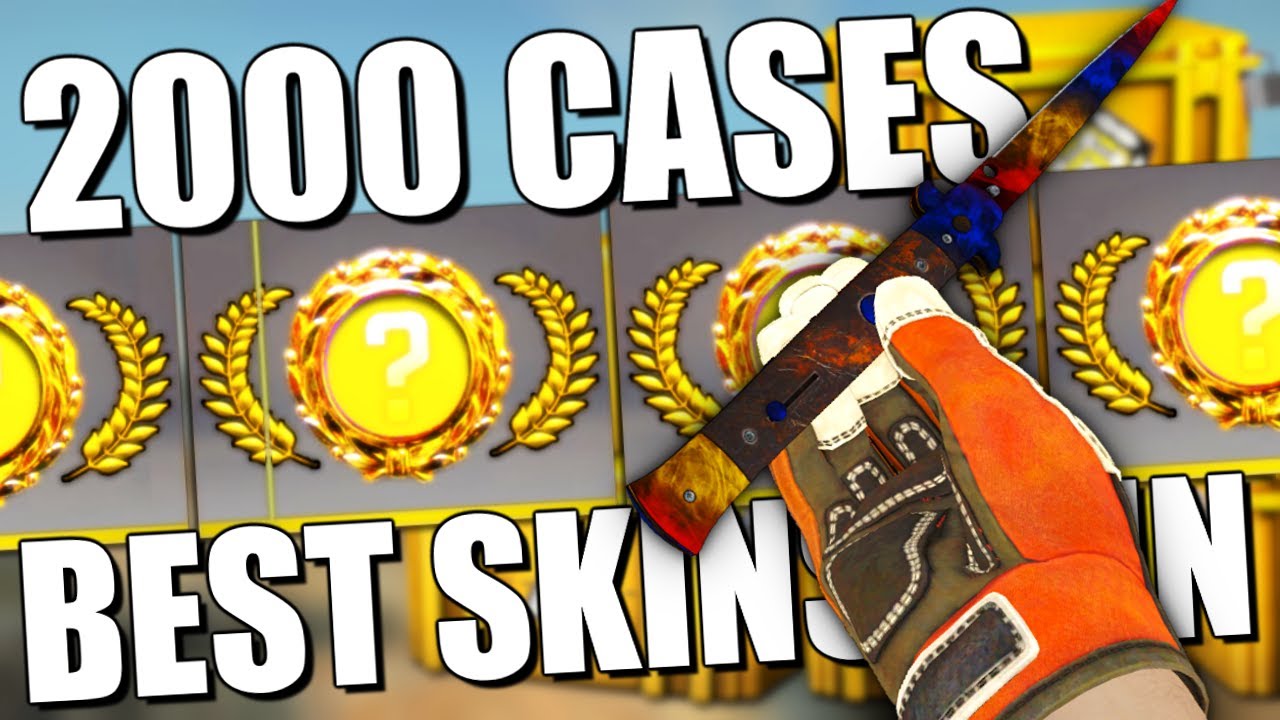
At its core, a case fight is a multiplayer variation of basic case opening. Typically, a player purchases a key, opens a case on a third-party website, and intends to pull a skin worth more than the expense of the case.
A case battle takes this singular mechanic and turns it into a competitive format. Numerous gamers (usually between two and 4) get in a lobby and consent to open the specific same set of cases.
How a Standard Battle Works:
Lobby Creation: A host picks a series of cases and sets the player count (e.g., 1v1, 1v3, or 2v2 "Free-for-All"). Buying In: Each individual pays the total expense of all the picked cases combined. The Opening Phase: The cases are opened at the same time in rounds. Virtual wheels spin, landing on different weapon surfaces. The Payout: At the end of the battle, the overall financial worth of all the skins visited all gamers is determined. The gamer with the highest total skin worth wins the entire swimming pool.Case Battles vs. Traditional Case Opening
To understand why players flock to case battles, it helps to compare them directly to traditional single-player openings.
Function Conventional Case Opening CS: GO Case Battle Social Interaction Singular experience Highly social, frequently including chat and spectators Winning Condition Should pull a skin worth more than the specific case Should beat challengers' cumulative value Home entertainment Value Moderate (relies purely on personal luck) High (direct competition and suspense) Risk Level High (home edge heavily favors the platform) Extremely High (unstable and competitive) Bonus Mechanics None Functions like "Crazy Mode" (lowest total wins)Common Variations of Case Battles
Third-party skin gambling platforms continuously innovate to keep users engaged. Subsequently, case battles been available in several distinct formats:
- 1v1 Battles: An uncomplicated duel where the player with the highest overall value at the end takes everything. Free-for-All (FFA): Three or four players compete individually, with the single highest earner taking the whole pot. 2v2/ Team Battles: Players collaborate. The combined value of both colleagues is pooled, and the winning team divides the spoils. Crazy Mode (Reverse Battles): A twist on the timeless rules where the gamer who opens the least expensive total value wins the whole pot. This includes an amusing psychological element where participants actively want to unpack low-cost consumer-grade skins. Group Unboxing (Terminal Battles): Battles where specific triggers or drop thresholds can trigger reward benefits or secondary wheel spins.
Understanding the Risks
Before getting involved in any skin-based betting, users must approach the activity with a clear understanding of the threats included. Case battles are hosted specifically on third-party websites, not by Valve.
- Your House Edge: Just like a gambling establishment, the platform constantly keeps an mathematical advantage. Over the long term, gamers statistically lose cash. Digital Volatility: CS: GO skins fluctuate in rate based on market supply and demand. Frauds and Regulatory Concerns: Many jurisdictions categorize skin betting as unregulated gambling. Gamers should exercise severe care relating to which sites they utilize, guaranteeing they select trustworthy platforms with protected Steam API authentication to prevent phishing rip-offs.
Tips and Strategies for Case Battles
While case battles are primarily video games of opportunity governed by Randomized Number Generators (RNG), gamers typically utilize particular bankroll management methods and lobby methods to optimize their enjoyment and minimize losses.
- Set a Strict Budget: Decide beforehand how much cash you are willing to invest. Deal with case battles strictly as home entertainment rather than an investment technique. Start with Low-Tier Cases: If you are new to the format, join or host lobbies featuring less expensive cases (e.g., Prisma or Fracture cases) to extend your budget and understand the pacing of the user interface. Prevent Chasing Losses: The temptation to enter a higher-stakes battle immediately after losing a series of low-cost ones is a trap. Accept losses and understand when to log off. Watch Streamers First: Many content creators stream case battles live. Viewing them can assist you gauge the speed of the games and comprehend the platform interfaces without risking your own stock.
Frequently Asked Questions (FAQ)
1. Are case battles legal?
The legality of CS: GO skin gaming varies substantially by country. In many regions, third-party gaming websites run in a legal gray area. Valve has actually traditionally punished automated trading bots utilized by these websites, so users ought to look into regional laws before getting involved.
2. Can I make a revenue from case battles?
While specific gamers periodically struck high-value products (like concealed skins or rare knives) and walk away with an earnings, the mathematical odds heavily favor your house. Long-lasting profitability is virtually difficult.
3. Do I need a Steam account to play?
Yes. Case battle websites require you to visit through your official Steam account and offer a Trade URL so that payouts can be moved straight to your Steam inventory.
CS: GO skins case battles have transformed the way players communicate with the video game's economy, turning a singular unboxing mechanic into an interesting, cs case battle competitive spectator sport. While the excitement of out-opening a challenger and protecting an unusual knife is unquestionably interesting, gamers should constantly focus on accountable gaming, set stringent financial limits, and remain knowledgeable about the inherent threats related to third-party skin wagering.